


Portable vs Fixed Ramps: Which is Better for Your Home?

Creating an accessible and welcoming home is about more than just removing barriers. It is about enabling independence, safety and comfort. If you or someone you care for uses a wheelchair, mobility scooter or walker, a home ramp can make all the difference.

When it comes to wheelchair ramps for homes, two main options dominate the market: portable and fixed. But which is the best ramp for home use? The answer depends on your mobility needs, your home layout and how long you plan to use the ramp.

This guide compares portable vs fixed ramps in detail, so you can make a confident, informed decision.
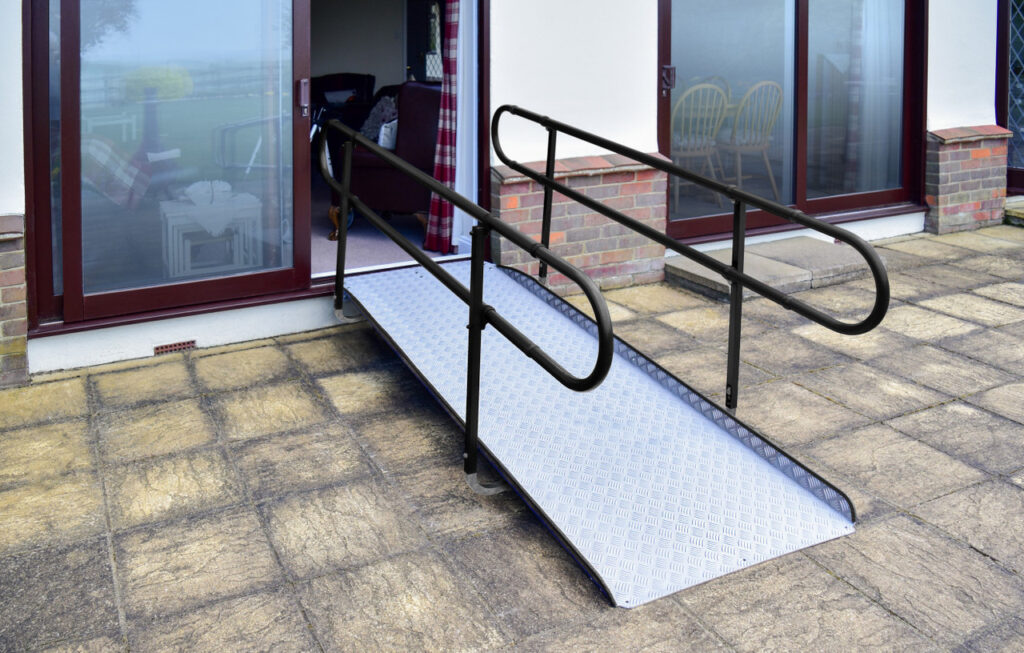
permaramp2

Why This Decision Matters

Choosing between a portable and a fixed ramp is more than a matter of convenience, it’s a decision that directly affects day-to-day quality of life. The right ramp ensures:

  • Safe access in and out of the home – reducing trip, slip and fall risks for users and caregivers alike, particularly in wet or icy weather.
  • Independence for wheelchair users and those with limited mobility – allowing them to move freely without constant assistance
  • Flexibility for guests, short-term recovery, or long-term living – whether you’re accommodating visiting relatives, managing mobility changes after an operation, or planning for aging in place.
  • Compliance with building regulations and accessibility standards – ensuring the ramp meets slope, width and safety requirements so it’s both comfortable and legally acceptable.

The choice you make now can affect not only accessibility but also comfort, safety and even the future resale appeal of your home. Whether you need a temporary solution after surgery or a permanent upgrade to support long-term mobility, selecting the right ramp is a decision worth careful thought.

Understanding Ramp Types

What Makes a Ramp Portable?

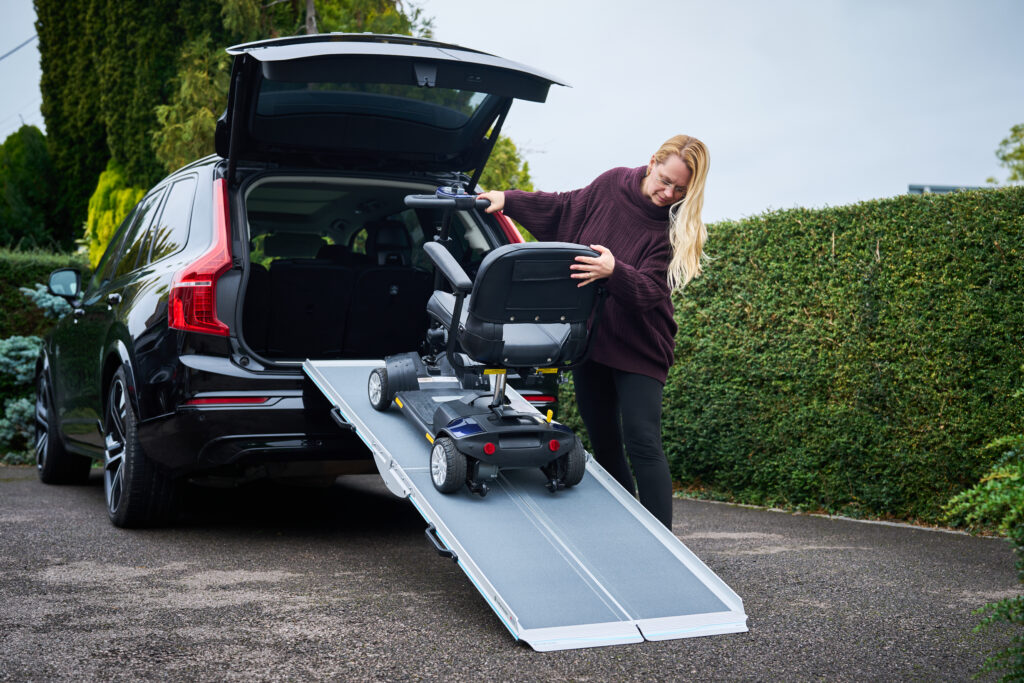
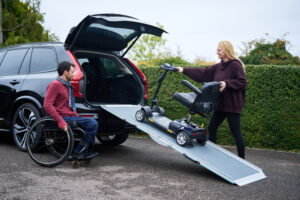
Portable ramps are designed for temporary, flexible use — perfect when you need quick, adaptable access without a permanent structure. They come in several main styles:
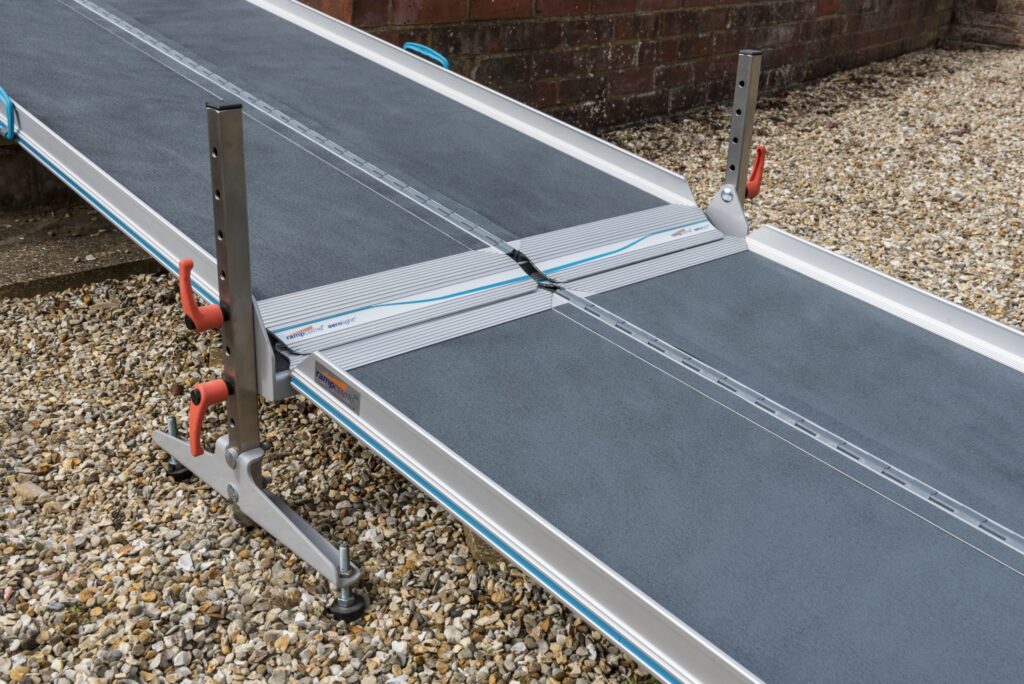
  • Folding/suitcase ramps – split into two hinged sections, they fold up like a suitcase, making them easy to carry and store in a car boot or cupboard.
  • Solid surface ramps – single-piece designs made from lightweight aluminium or composite materials, ready to place where needed without assembly.
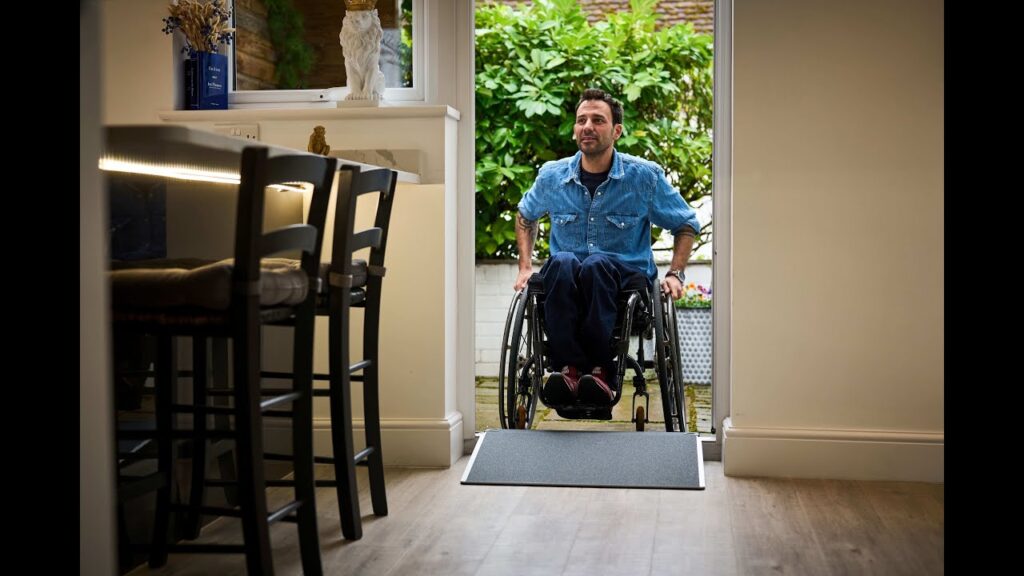
  • Threshold ramps – small, wedges for door lips, raised thresholds or low rises inside or outside the home.
Aerolight Joining support

Key features include:

  • Ease of movement – can be repositioned between different entrances, taken on trips or lent to others.
  • Lightweight yet strong materials – most are built from aluminium, which is rust-resistant but still capable of supporting significant weight.
  • No permanent fixtures or alterations to your home – ideal for situations where drilling, concreting or major installation is not possible or desired.
  • Perfect for renters, temporary living situations or occasional use – giving accessibility where and when it’s needed, without the permanence or cost of a fixed ramp.

What Defines a Fixed (Permanent) Ramp?

Fixed ramps are a permanent accessibility solution, typically installed directly on to the property, either bolted securely to the home or integrated into the landscaping. Once in place, they’re designed to provide dependable, everyday access for years. Common options include:

  • Modular ramps – constructed from prefabricated aluminium or steel sections. While considered semi-permanent, they can be dismantled and relocated if necessary, making them a flexible choice for homeowners who may move.
  • Concrete ramps – these are poured and shaped to fit your property exactly. They can blend seamlessly into driveways or garden paths, however, they often have a time-consuming and disruptive installation process as well as being costly to remove once they are no longer required. 
  • Wooden ramps – offering a more traditional or rustic appearance, these can be customised to suit the look of your home, but they require regular maintenance to prevent rot and ensure safety.

Key features include:

  • Designed for continuous, long-term use – built to withstand years of daily traffic without shifting or wearing down.
  • Customisable with handrails, landings, and slip-resistant surfaces – enhancing both safety and usability.
  • Constructed to meet or exceed accessibility standards such as the recommended 1:12 slope ratio for comfortable and safe navigation.
  • Adds value to your property – not only improving accessibility but also making your home more appealing to future buyers who prioritise inclusive design.

Learn how the New Metro Portable Ramp makes access easier with lightweight, durable aluminium design for all users.
Comparing Portable vs Fixed Ramps

Portability & Flexibility

  • Portable: Move from front door to back garden, or take with you when visiting friends. Great for travelling or temporary changes in mobility.
  • Fixed: Immovable once installed. Always ready for use, no set-up required after initial installation. 
Ramp Company

Cost & Budget Considerations

  • Portable: Typically £100–£1,500, depending on length and type.
  • Fixed: From £1,000–£6,000+ for professional installation, especially with custom concrete or wood builds.
  • Tip: Consider lifetime value. Fixed ramps may be more cost-effective over years of daily use.

Durability & Long-Term Use

  • Portable: Aluminium ramps resist rust but may dent or wear with heavy use.
  • Fixed: Built to withstand decades of weather and weight, especially high-grade metal options.

Safety & Compliance

  • Portable: Many meet safety guidelines, but stability can vary with placement. 
  • Fixed: Easier to design for full compliance, handrails, landings, correct slope ratios.

Customisation & Aesthetic Fit

  • Portable: Limited design options function over style.
  • Fixed: Can match home exteriors, add landscaping or use railings for a seamless look.

Key Decision Factors: Choosing the Best Ramp for Home Use

  1. Duration of Need – Temporary recovery? Portable may be best. Permanent condition? Consider fixed.
  2. User & Mobility Device – Measure width and weight capacity to ensure safe use.
  3. Property Layout – Space for straight runs or are switchbacks required?
  4. Budget & Long-Term Value – Include maintenance.
  5. Lifestyle – Renters and frequent travellers seek portability; homeowners may invest in permanence.
RampCentre Ramps

Explore the Aerolight High Rise, a versatile and portable ramp system designed for quick, easy and reliable accessibility for multiple steps.

Pros and Cons at a Glance

Feature

Portable Ramp

Fixed Ramp

Portability

Excellent

None

Cost

Lower upfront

Higher upfront

Durability

Moderate

High

Safety

Depends on placement

Consistently high

Customisation

High

High

Installation

No tools (most models)

Professional required

FAQs

What is safer: portable or fixed ramps?

Both can be safe when used correctly, but fixed ramps offer greater stability and fewer placement risks, especially in high-traffic areas or outdoor environments.

Do portable ramps comply with accessibility standards?

Yes, many do, but always check the slope ratio and weight capacity before purchase to ensure they meet safety guidelines.

Can a fixed ramp increase home value?

Yes. Particularly for accessible housing markets, multigenerational living arrangements, and properties marketed towards older buyers.

How long does it take to install a fixed ramp?

Depending on the type, a modular fixed ramp can often be installed in just a few hours, while custom-built concrete ramps may take several days including curing time.

What’s the best ramp material for outdoor use?

Aluminium is lightweight, rust-resistant and low-maintenance, making it ideal for portable or modular outdoor ramps.

Final Recommendation

When it comes to deciding between portable and fixed ramps, the choice should be guided by how you intend to use the ramp and for how long. A portable ramp is ideal if you need a short-term access solution, value flexibility, or want a lower initial cost. They are perfect for occasional visitors, temporary recovery periods or situations where you may need to relocate the ramp.

On the other hand, a fixed ramp is the right choice if you require daily, long-term access and want the most stable, integrated solution possible. Fixed ramps offer consistent safety, compliance with accessibility standards, and can be designed to blend seamlessly with your property.

Your mobility needs are unique, just like your home. The best ramp is the one that fits your lifestyle, safety requirements and property layout. For expert advice, custom designs and professional installation, speak to the team at Enable Access today.
Lorem ipsum dolor sit amet, consectetur adipiscing elit. Ut elit tellus, luctus nec ullamcorper mattis, pulvinar dapibus leo.